
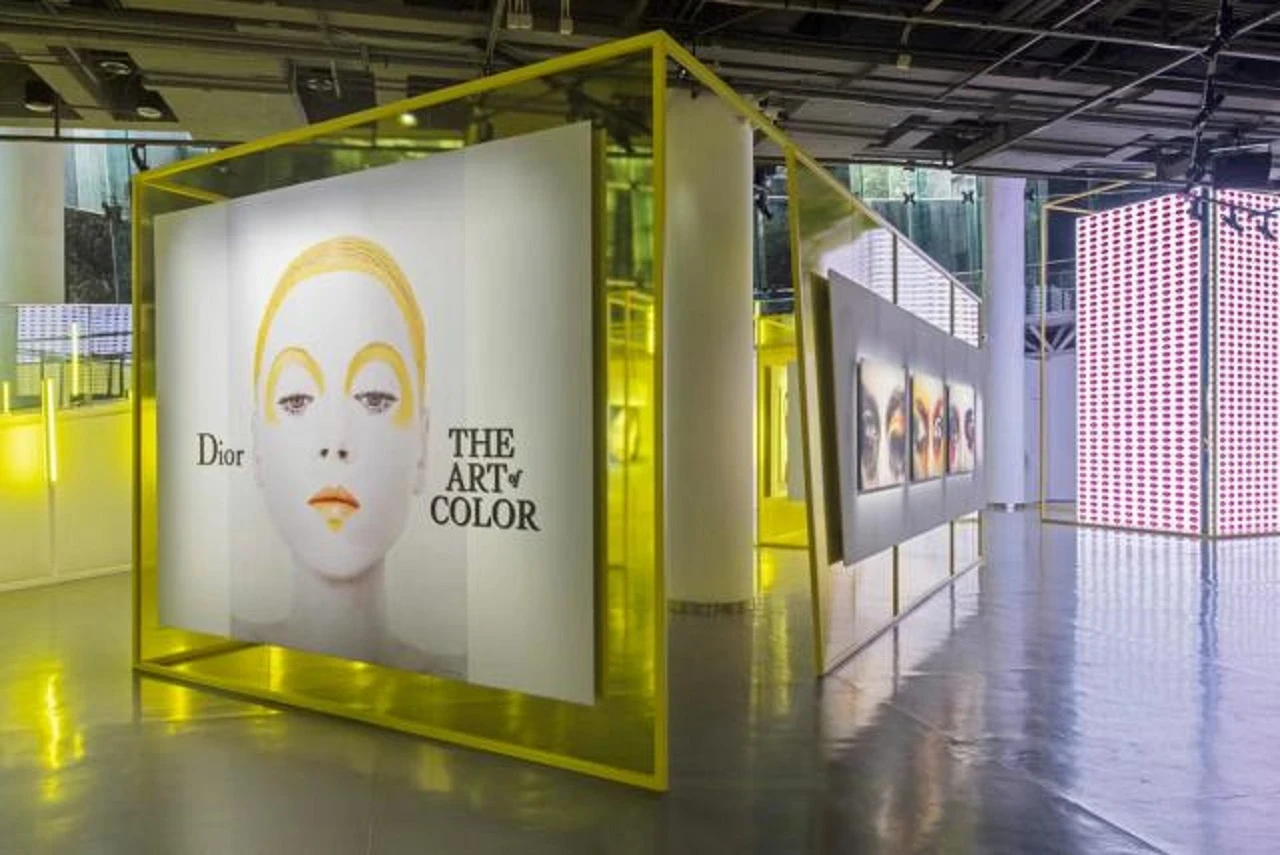
Producing an exhibition is not simply a more ambitious version of a collaboration. It changes the relationship between brand and artist. Instead of asking the artist to decorate a product or campaign, the brand supports a body of work, a point of view and a public experience. That distinction matters because audiences increasingly recognise when art is being used as a surface treatment rather than taken seriously.
For brands that want to build a credible cultural presence, exhibitions can be one of the strongest formats available.
An exhibition gives the artist more room
Most commercial collaborations are constrained by the needs of the brand. There is a launch date, a product, a campaign message, a format, a media plan and often a long list of approval points.
An exhibition can reverse that logic.
The artist is given a subject, a space, a production framework and the freedom to develop work with greater depth. The brand is still present, but its role becomes one of commissioner, producer, host or patron rather than advertiser.
This usually creates a better result for both sides. The artist has more room to make something worth seeing, while the brand benefits from work that feels less promotional and therefore more culturally credible.
The key is not to remove the brand from the project. It is to give the brand a more intelligent role.
Brands need cultural formats that cannot be reduced to content
A large part of brand communication is now consumed in the same places, in the same formats and at roughly the same speed. Campaigns, creator partnerships, launches and social content compete inside feeds that flatten almost everything into a few seconds of attention.
An exhibition works differently because it occupies physical space and asks for time.
People enter it, move through it, discuss it, photograph it and often experience it in groups. The relationship is slower and more deliberate. This gives brands something increasingly difficult to obtain through conventional media: sustained attention.
The exhibition also creates material that lives beyond the event itself. Photography, film, interviews, artist conversations, editorial pieces, publications and documentation can all extend the project without making the original idea feel like content production.
That distinction is important. The exhibition should come first. The content should follow.
It gives the brand a reason to enter the cultural conversation
Many brands want cultural relevance but approach culture through borrowed signals. They work with the right talent, attend the right events or reference the right scenes, yet still struggle to explain what they actually contribute.
Producing an exhibition gives the brand a clearer role.
It can introduce an artist to a wider audience, fund a new body of work, provide production capabilities that would otherwise be difficult to access, or create a public moment around a subject connected to the brand.
That contribution is easier to understand than a generic claim about supporting creativity.
The strongest projects are usually those where the brand has something specific to bring. A hospitality group has access to spaces and guests. A fashion brand understands image, material and production. A technology company can offer tools and technical expertise. A food or beverage brand can work with ritual, taste and social experience.
The exhibition becomes interesting when the format emerges naturally from what the brand can actually offer.
It allows brands to work with ideas, not just aesthetics
Artist collaborations often begin with visual compatibility. The artist has a recognisable style, the brand likes the aesthetic, and the partnership develops from there.
Exhibitions allow the conversation to go further.
A brand can work around a subject: movement, memory, craftsmanship, nature, identity, technology, cities, hospitality, the body, material or another theme with genuine relevance to the company.
The artist is then selected because their practice can explore that subject in an interesting way, not simply because their work photographs well next to the product.
This creates a stronger connection between the artist, the exhibition and the brand. The result becomes easier to defend strategically because there is an idea underneath the visual execution.
It also creates the possibility of continuity. A brand can commission different artists around the same subject over several years, allowing the cultural programme to develop rather than restarting from zero with each campaign.
Exhibitions create better hospitality
Brands already invest heavily in dinners, VIP events, private previews and client entertainment. An exhibition can give those moments much more substance.
Instead of inviting people to another branded event, the brand has something real to show them.
A preview can become a conversation with the artist. A dinner can respond to the exhibition. A private visit can offer access that feels genuinely special. A client event can become part of a broader public programme rather than an isolated hospitality exercise.
This is especially relevant for luxury, hospitality, fashion, automotive, beauty and premium consumer brands, where relationship-building matters but conventional event formats have become repetitive.
The exhibition gives the hospitality a reason to exist.
Physical cultural experiences are becoming more valuable
The growth of AI-generated imagery and automated content production is likely to make physical artistic experiences more important rather than less.
When visual production becomes easier, the fact that something exists in a real space, has been made by an artist and requires people to physically encounter it gains value.
An exhibition provides evidence of authorship, materiality and effort.
This does not make digital work less interesting. Artists working with code, video, AI or immersive media can be especially relevant. The difference is that the exhibition gives those works a physical and curatorial context.
For brands, this creates an opportunity to move away from endless visual output and towards experiences that people can actually attend.
A well-produced exhibition can become a stronger cultural signal than hundreds of branded assets.
The brand should produce, not overtake
The main risk is obvious: the exhibition becomes an advertisement with artworks inside it.
That usually happens when the brand is too anxious about visibility.
Logos become oversized, product appears everywhere, brand messaging interrupts the curatorial logic and the artist is asked to justify every decision through a commercial narrative.
The result feels neither like a good exhibition nor like good advertising.
A better model is to distinguish between presence and dominance. The brand can be clearly credited as commissioner or producer without controlling every surface.
In many cases, giving the artist more space makes the brand look more confident.
The audience understands who made the project possible. The brand does not need to repeat the message in every room.
Production quality matters
An exhibition is only credible if it is produced properly.
That means artist selection, curatorial direction, rights management, fabrication, installation, lighting, transport, insurance, technical production, mediation, photography, hospitality and communications all need to work together.
The quality of the production becomes part of the perception of the brand.
A strong artist in a poorly executed exhibition can damage both sides of the partnership. Conversely, a well-produced project can make the artist’s work stronger and position the brand as a serious cultural partner.
This is why exhibitions should not be treated as event production with artworks added at the end.
The artistic and production processes need to develop together.
The strongest exhibitions can travel
One of the advantages of the format is that it does not necessarily need to disappear after a few days.
A commission can move between cities. A temporary exhibition can become part of a retail or hospitality programme. A project launched during an art fair can later appear in another market. A body of work can lead to a publication, acquisition or permanent installation.
This gives brands more value from the original investment while giving the artist greater exposure.
It also changes the economics of cultural production. Instead of spending heavily on a single launch night, the brand can build a project with several lives.
For international brands, that can be particularly effective. The same artistic concept can travel while being adapted to different spaces and audiences.
An exhibition can become part of the brand’s cultural memory
The most interesting cultural programmes accumulate over time.
A brand that produces one exhibition may create attention. A brand that consistently works with artists can build recognition.
Past commissions become part of the company’s history. Artists return. New artists enter the programme. Clients and audiences begin to understand the point of view behind the choices.
That accumulated record is difficult to reproduce quickly.
It gives the brand cultural substance because the relationship with art is no longer dependent on one campaign or one moment.
The programme becomes part of what the company does.
The question is not whether brands belong in art
Brands are already deeply present in the art world. They sponsor fairs, support museums, commission artists, build collections and fund institutions.
The more useful question is what kind of role they want to play.
Producing exhibitions offers one of the clearest answers because it places the brand behind the creation of something that can exist on its own terms.
When done well, the artist gains resources, exposure and space to work. The audience gains an experience worth attending. The brand gains a stronger and more credible cultural position.
That is a much better exchange than simply putting an artist’s work on a product.
Moon Above works with brands and places to conceive and produce artist-led exhibitions, commissions and cultural projects, from artist sourcing and creative development to production and execution.